
Acne is one of the most common skin conditions worldwide, affecting adolescents and adults alike. While often perceived as a cosmetic concern, acne is a chronic inflammatory skin disorder. If left untreated, persistent acne may lead to post-inflammatory hyperpigmentation and permanent scarring.
Successful acne management requires an individualized approach that addresses the oiliness of skin, bacterial growth, inflammation and other factors involved in acne development
Understanding Acne, and why does it develop?
Acne develops through a combination of interconnected processes, including
- Increased sebum production,
- Abnormal shedding of skin cells that clog pores,
- Proliferation of Cutibacterium acnes, and
- Inflammation.
Because these factors vary from one individual to another, treatment should be based on a clinical assessment by a healthcare professional.
What’s Really Behind Your Breakouts?
1. Excess Sebum
Sebum is an oily substance produced by the sebaceous glands that helps lubricate and protect the skin. However, excessive sebum production can contribute to the development of acne.When excess oil combines with dead skin cells, the follicle can become clogged, contributing to the formation of comedones and, eventually, inflammatory acne lesions.
2. Abnormal Shedding of Skin Cells That Clog Pores
Normally, dead skin cells are shed from the skin in an orderly process. In acne-prone skin, however, abnormal shedding and accumulation of skin cells within the hair follicle can contribute to follicular plugging. This is one of the processes involved in the formation of comedones, including whiteheads and blackheads.
3. Proliferation of Cutibacterium acnes
Cutibacterium acnes is a bacterium that naturally lives on human skin, so its presence alone does not mean that skin is unhealthy. However, changes within a clogged, sebum-rich follicle can create conditions that favor the proliferation and activity of certain C. acnes populations leading to inflammation and acne. Ingredients with antimicrobial properties reduce the bacterial load.
4. Inflammation
The processes occurring within a blocked follicle—including changes involving sebum, follicular contents, and C. acnes—can activate inflammatory pathways in the skin. This can result in redness, swelling, tenderness, and the development of more.
Know the Ingredients
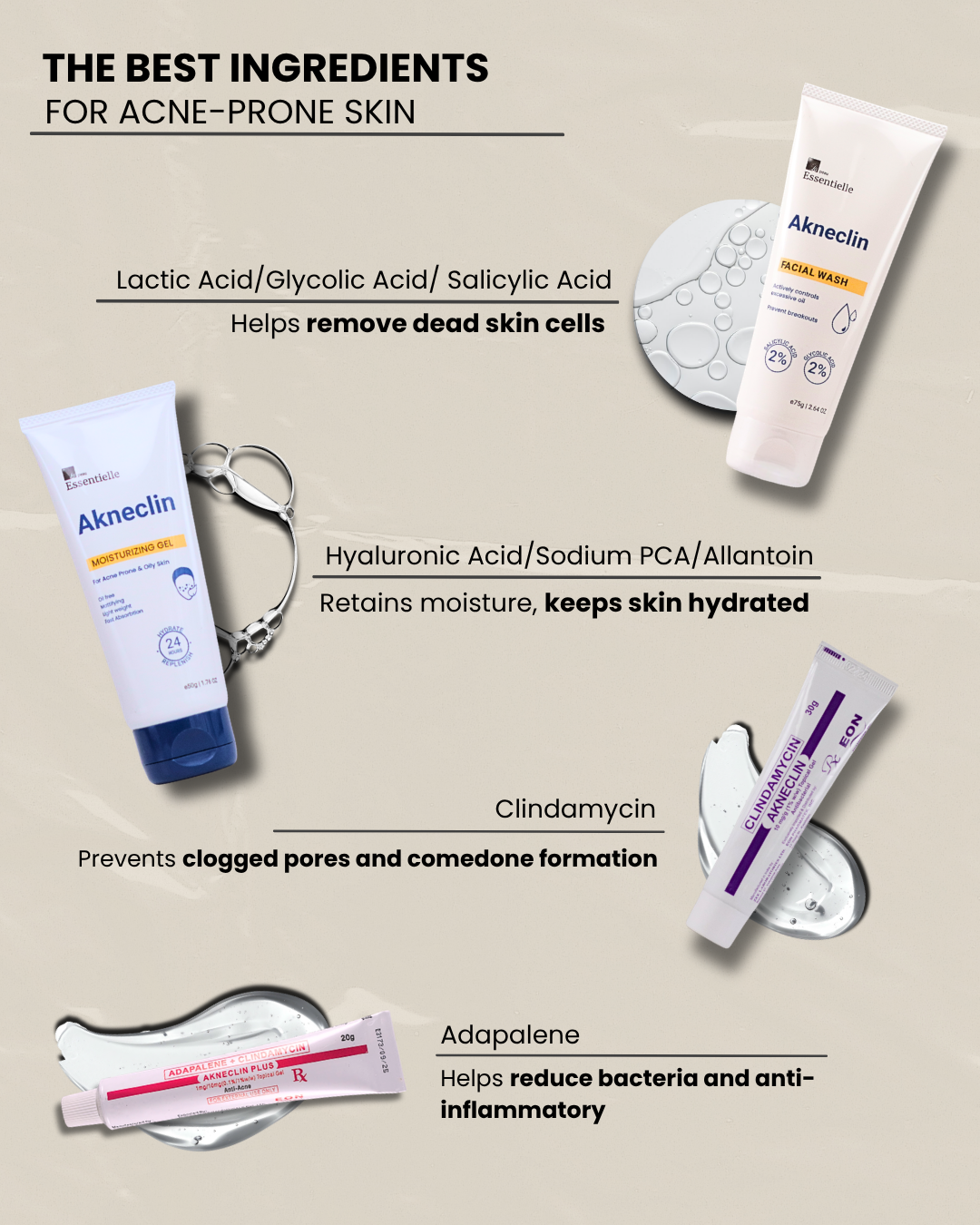
Who is affected?
Acne can affect individuals of all ages, particularly adolescents undergoing puberty and adults experiencing hormonal, genetic, or lifestyle-related factors.
Why does early treatment matter?
Early and appropriate treatment can help prevent acne from worsening, reduce the risk of scarring and dark spots, and improve long-term treatment outcomes under the guidance of a healthcare professional.
- Akneclin Facial Wash – cleansing + exfoliating/supportive ingredients
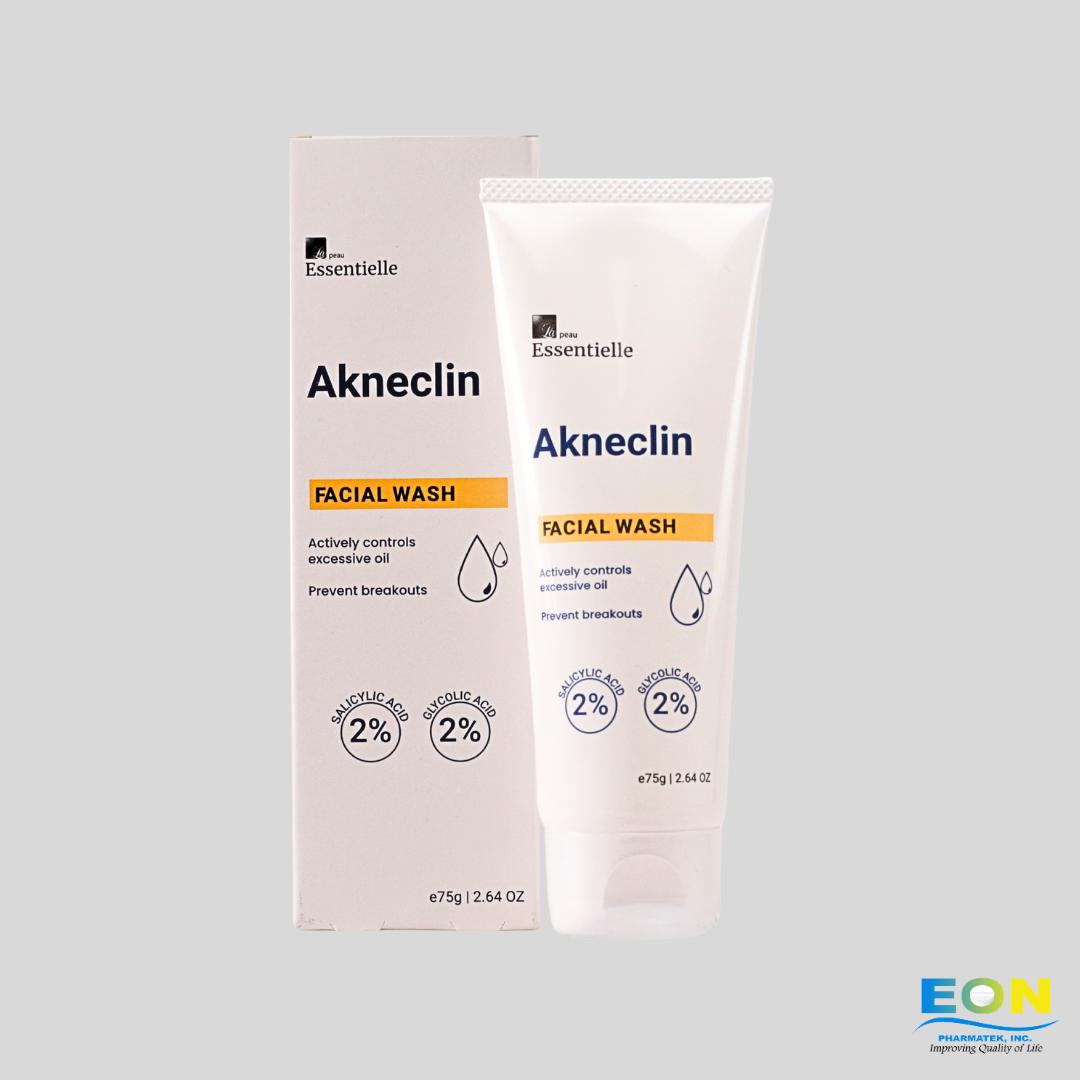
Formulated to gently cleanse the skin while helping remove excess sebum and surface impurities without unnecessary harshness. Incorporating an appropriate cleanser into a daily skincare routine supports overall skin health and complements acne management.
- Akneclin Moisturizing Gel – hydration + soothing support
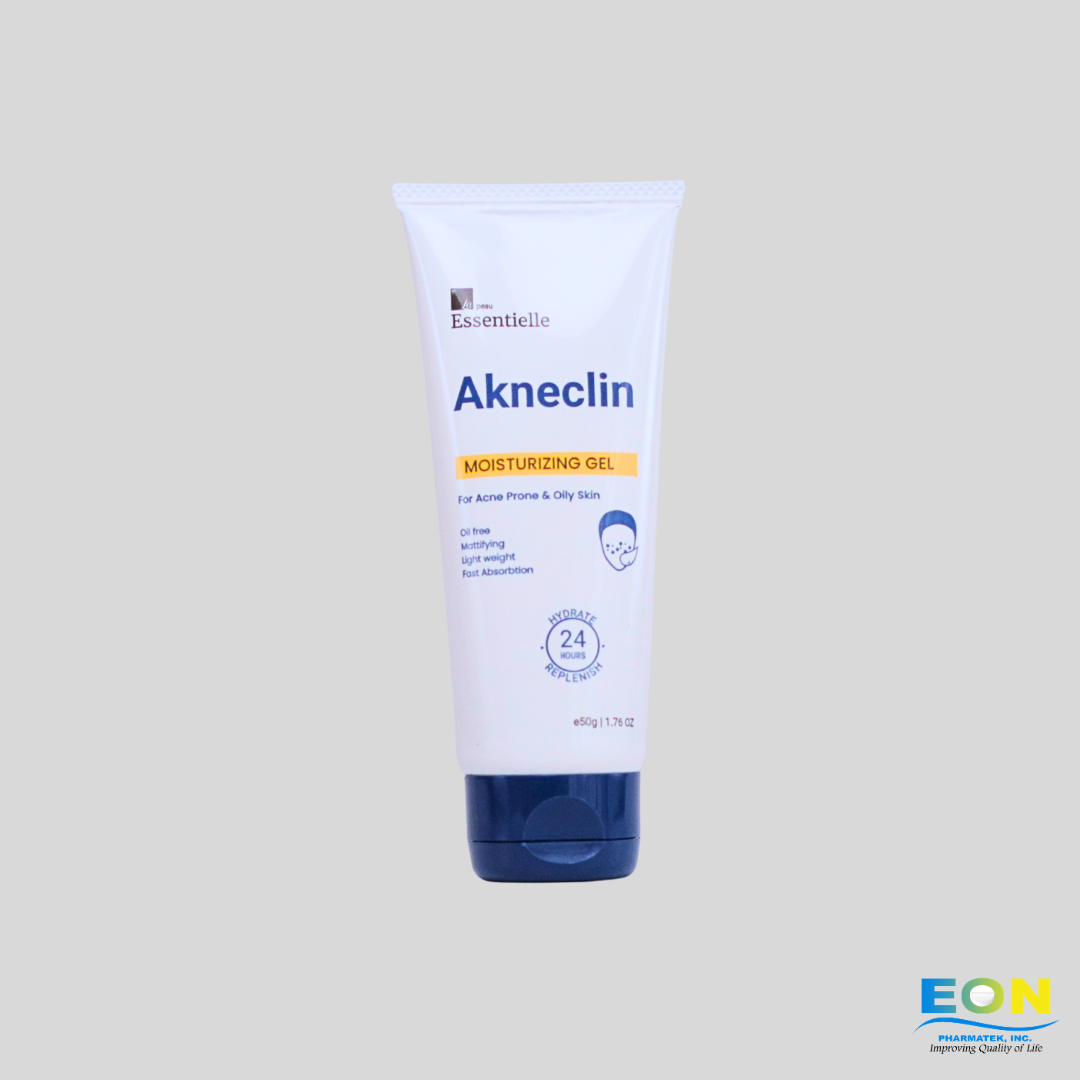
Provides lightweight hydration to help maintain skin moisture while complementing an acne care routine. Supporting the skin barrier is an important component of comprehensive acne management.
- Akneclin (Clindamycin)
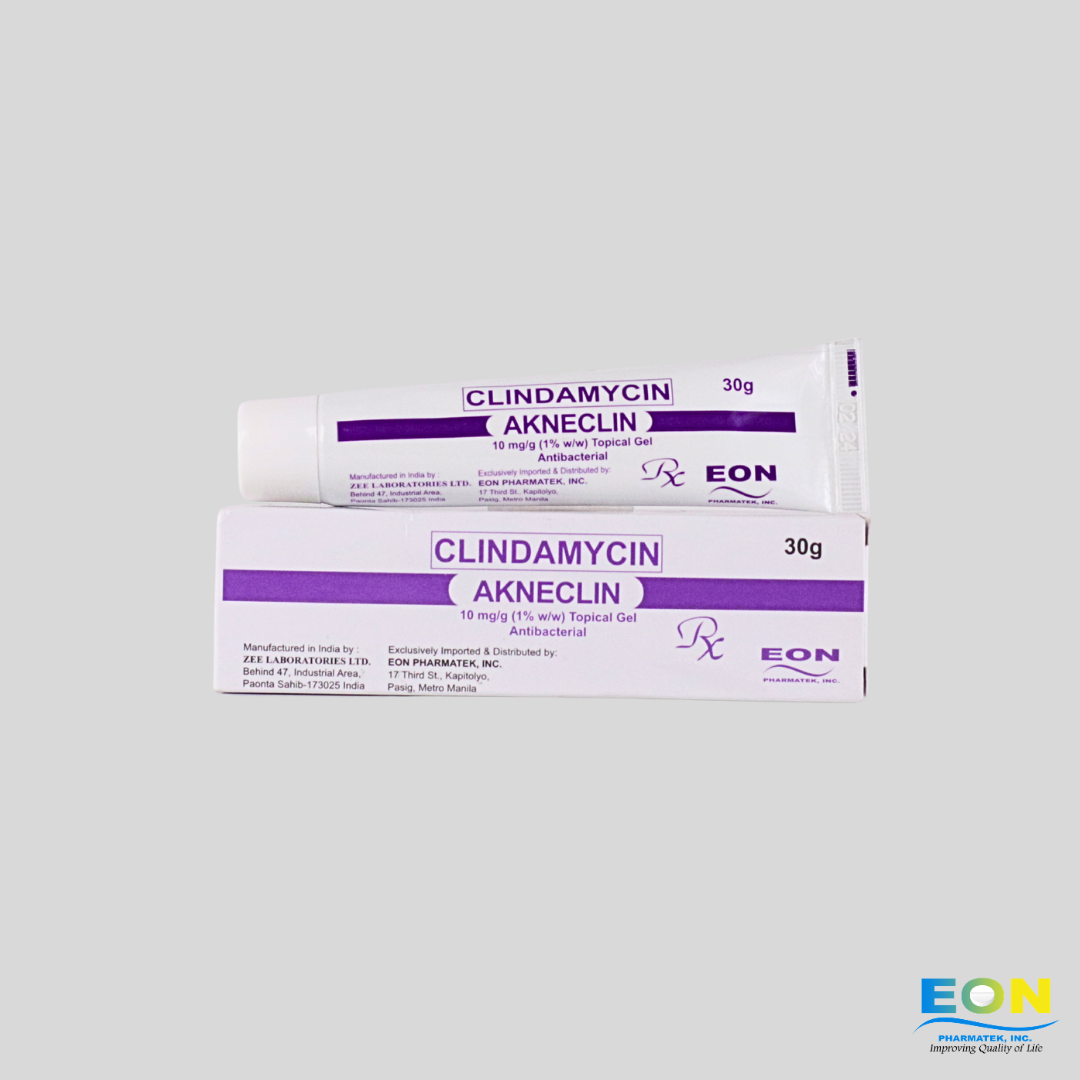
Topical antibiotics indicated for appropriate patients with inflammatory acne, as determined by a healthcare professional.
- Akneclin Plus (Adapalene + Clindamycin)
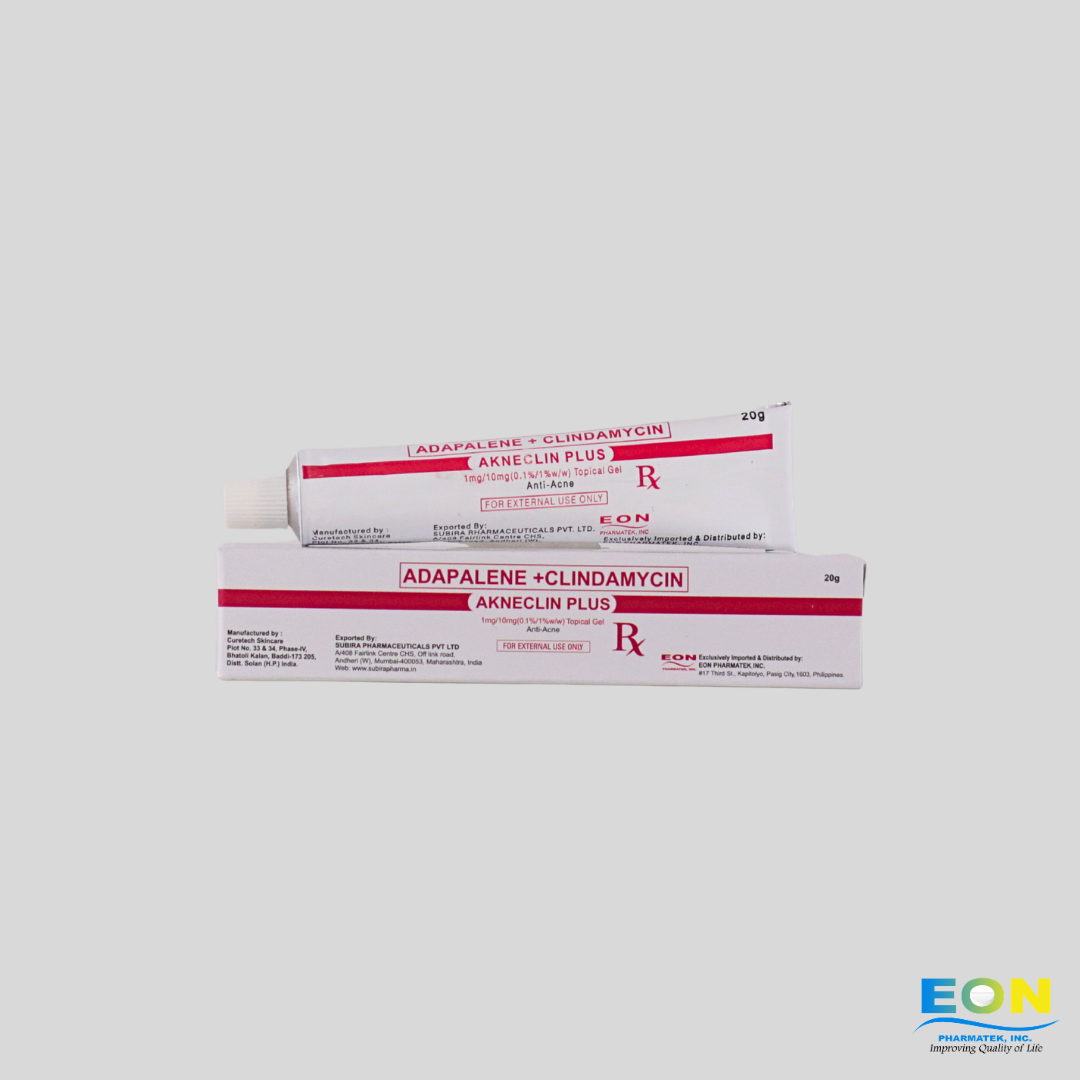
This combination allows multiple pathogenic factors involved in acne to be addressed within a single treatment regimen when prescribed by a physician.
Conclusion
Managing acne is a gradual process that requires consistency, patience, and an individualized treatment plan with a comprehensive regimen that incorporates gentle skincare alongside prescription therapies, when clinically appropriate, can help support clearer, healthier-looking skin.
**Prescription Notice:** Akneclin Plus (Adapalene + Clindamycin) and Akneclin (Clindamycin) are prescription medicines. They should be used only upon the advice and supervision of a licensed healthcare professional.